
For generations of estimators, the heavy binder sitting on the corner of the desk represented the ultimate authority. Whether it was the RSMeans Building Construction Cost Data or the BNi Building News Costbook, these manuals provided a sense of security. They offered a standardized way to benchmark labor hours and material costs against national averages.

The Ceiling of the Static Manual
The primary challenge with any estimate book for construction is the speed of data decay. In 2025, material prices and labor rates shift faster than a printing press can operate. A unit cost established in January is often obsolete by March. When your bidding process relies on quarterly updates, you are essentially gambling with your profit margins.
Furthermore, static manuals are built on "average" conditions. They don't account for your specific crew's productivity, your unique supply chain advantages, or the complex site constraints of a specific project. To scale, a firm must transition from using industry averages to leveraging proprietary historical data.
Stop Bleeding Profit to Manual Entry Errors
Transcribing data from a cost manual into a spreadsheet introduces catastrophic decimal errors and VLOOKUP failures. Codify your logic into a digital system and eliminate the human element from repetitive calculations.
Audit Your Bid ProcessMoving from Unit Costs to Assembly-Based Estimating
Modern scaling requires a shift from simple unit cost lookups to Assembly-Based Estimating. Instead of pricing a single stud or a gallon of paint, custom software allows you to build complex assemblies. A single "Interior Wall" assembly can trigger a full Quantity Takeoff (QTO) including labor, fasteners, waste factors, and specialized equipment.
This approach ensures that nothing is missed. It moves the expertise from the individual estimator's head into the company's digital infrastructure. This mitigates "key-man risk," where the departure of a senior estimator could paralyze the sales pipeline.
Data Decay and Margin Erosion
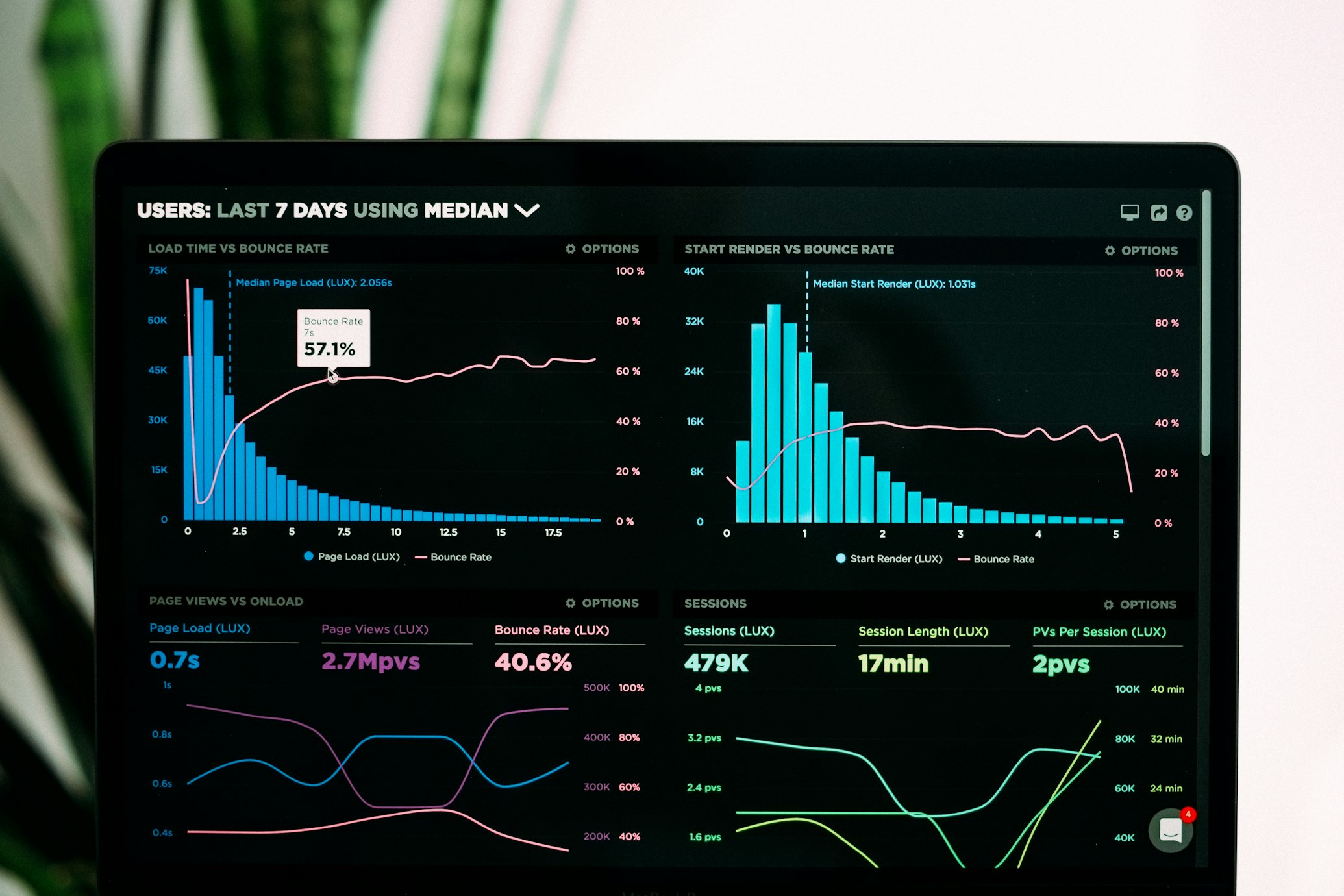
Relying on a static book often leads to Margin Erosion. Without real-time integration between your estimating department and your Job Costing data, you are bidding in a vacuum. Successful firms in 2025 use custom software to close the loop. When actual costs on the field exceed the estimate, the system flags the variance and updates the bidding library for the next project.
Automated systems also allow for the inclusion of a dynamic Escalation Clause. Instead of manually calculating inflation risk for a project that won't break ground for six months, the software can run sensitivity analyses and adjust the bid based on current market trends.
Protect Your Margins from Inflation
Static manuals suffer from data decay within weeks of publication. Switch to a system that updates automatically as your material costs and labor rates shift.
Scaling Through Custom Software Assets
The ultimate goal is to transform your estimating process from a service department into a proprietary asset. Off-the-shelf SaaS tools often force you to work within their rigid templates. Custom software, however, allows you to build a platform that mirrors your specific competitive advantages.
Whether you are focusing on high-end residential or complex commercial infrastructure, your software should handle the nuances of your niche. This includes custom workflows for subcontractor management, vendor quote integration, and automated proposal generation.

Frequently Asked Questions
Yes. Many custom platforms utilize API integrations to pull Gordian’s RSMeans data directly into the system. This allows you to combine trusted national averages with your own proprietary productivity rates and historical job costing data.
Generic SaaS tools are excellent for standardizing a basic process. However, if your firm has proprietary bidding logic, specialized assembly structures, or unique vendor relationships, an off-the-shelf tool will eventually become a bottleneck. Custom software allows you to build for your specific competitive advantage.
Data sync ensures that the estimating department is always aware of real-world costs. By pulling actual labor hours and material invoices from finished projects back into the estimating library, the software prevents the "estimate-to-actual" drift that destroys profitability over time.
Transition from Manuals to Proprietary Assets
Don't let your firm's growth be capped by the number of hours your head estimator can spend with a costbook. Build the digital brain that scales your expertise across every project.
Request a System Architecture Review